
Published October 8, 2026
5 Things Every Greenville Home Seller Should Watch This Fall

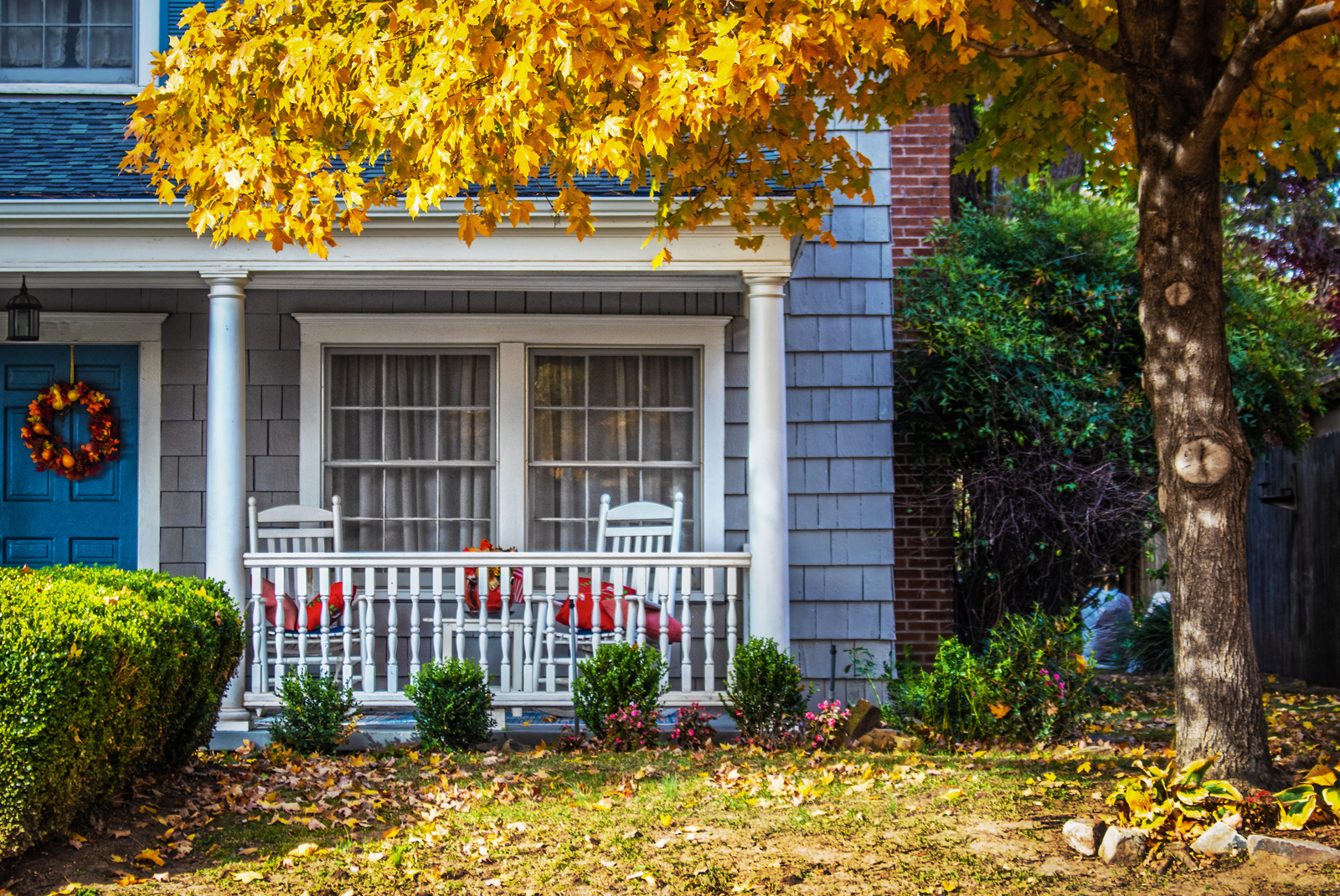
If you're thinking about selling your home in Greenville this fall, there's something important that happened this month: for the first time in over three years, the Federal Reserve raised interest rates, and mortgage rates have climbed back over 7%. So what does that actually mean for your home, your price, and your timing? Here's a breakdown of five things every Greenville seller should be watching right now — plus the pricing formula that's getting homes sold in today's market.
A quick note before diving in: the numbers below come from the Greater Greenville Association of Realtors' August report, the most recent official data available. Market data typically runs about six weeks behind, so this is the freshest real picture currently available.
1. Interest Rates
On September 17th, the Fed raised its benchmark rate by a quarter point — the first increase since July 2023. Mortgage rates followed suit, with Freddie Mac putting the 30-year fixed rate just over 7%, the highest it's been in about a year.
Here's why that matters for sellers: on a median-priced home in Greenville, the difference between a 6% rate and a 7% rate works out to roughly $200 more per month for the buyer — same house, same price, just a bigger monthly payment. That gap is enough to make some buyers pause.
The next Fed meeting is set for October 27th and 28th, and it's worth watching. That said, most forecasts have rates staying in the high 6% to around 7% range through the end of the year — nobody is currently predicting a significant drop, so timing a sale around a rate change isn't a reliable strategy.
2. Inventory
Greater Greenville ended August with 6,512 homes for sale, up 8.5% from last year. That puts the market at 4.2 months of supply, which falls squarely into balanced market territory.
In practical terms, that means buyers have choices again. When a buyer walks into a listing today, there's a good chance they've already seen five or six other homes that same week. Your home isn't being compared to what you originally paid for it — it's being compared to the house down the street that's also on the market right now.
3. Days on Market
Homes in the Greenville area are averaging 56 days on market, up from 49 days a year ago — a 14% increase. But that average doesn't tell the whole story. Well-priced homes are still moving quickly; it's the overpriced listings sitting on the market that are pulling the average number up.
This is exactly why the 10-to-14-day rule matters. If a home gets no showings in its first 10 to 14 days, it's likely priced too high. If it's getting showings but no offers, it's probably still overpriced — just less severely. Those first two weeks are the most valuable window a listing will ever have, which is why price adjustments (if needed) should happen early, not months in.
4. Price
The median sales price in Greater Greenville came in at $320,000 in August, down 1.5% from last year. Meanwhile, the average sales price actually rose 4.5%, to about $415,000. Put together, this points to a flat, steady market rather than a falling one.
One number worth highlighting: sellers are still getting 98.3% of their list price on average — a strong sign that buyers are willing to pay full value for homes that are priced correctly from the start.
The second-quarter data makes the pricing gap even clearer. Homes priced correctly from day one sold in about 9 days, at full list price. Homes that needed a price reduction took an average of 107 days to sell and ultimately sold for about 93% of list price. And roughly 30 out of every 100 listings didn't sell at all. Same market, two very different outcomes — and the difference came down to the starting price.
5. The Calendar
Fall is actually a strong time to sell, and there's a good reason why: buyers who are house-hunting in October and November tend to be serious. They're relocating for a job, or they're retirees hoping to be settled before the holidays. They're not casually browsing — they need a home.
The data backs this up. Pending sales were up 2% in August, and closed sales rose as well, even with higher interest rates in play. Demand remains steady.
That said, the window doesn't stay open indefinitely. Once Thanksgiving hits, showings typically slow down and stay slow until the new year. With some added economic uncertainty in the headlines right now, buyers also tend to move more cautiously. For sellers planning a fall sale, the time to get listing-ready is now — not in December.
The Pricing Formula
There are two truths about pricing in today's market. First, buyers won't let a home stay underpriced — a well-priced home will get bid back up, sometimes into multiple offers. Second, buyers will punish an overpriced home: fewer offers, lower offers, or no showings at all.
The formula that follows from those two truths is simple: be in the top third of your competition on condition, and the bottom third on price. That combination is what makes a home the obvious choice in its market, prompting buyers to compete for it rather than pass on it.
One important distinction: "competition" means the homes currently for sale — not homes that sold six months ago. Sold comps are useful historical data, but active listings are what a buyer is actually cross-shopping against today.
Thinking about selling this fall, or even just exploring the idea? Reach out to the Rucker & Associates team. We'll pull your neighborhood's current competition and give you an honest, data-backed number — no pressure, just the real picture of where your home stands in today's market.