
Published July 1, 2026
The Biggest Factor Affecting Home Prices Right Now


If you've been following the housing market lately, you've probably seen headlines saying home prices are starting to level off. While that's true in some parts of the country, it doesn't tell the whole story.
Real estate is local. What's happening nationally doesn't always reflect what's happening here in the Greenville and Upstate South Carolina market.
Some areas are still seeing steady appreciation, while others have experienced slower price growth or even slight declines. The biggest reason comes down to one thing: inventory.
Inventory Drives the Market
The number of homes available for sale has a direct impact on home prices.
When inventory increases, buyers have more options. With more homes to choose from, there's typically less competition, which can lead to slower price growth and more room for negotiation.
When inventory remains low, buyers compete for fewer homes. That increased competition continues to support home values and keeps well-priced homes moving quickly.
That's why two housing markets can look completely different even though they're part of the same national market.
What Does That Mean for Greenville and the Upstate?
The Upstate has remained one of the stronger housing markets compared to many areas across the country. While we've seen inventory improve from the record-low levels of the past few years, we're still not dealing with an oversupply of homes.
That means many well-priced homes continue to attract strong interest, especially in desirable communities throughout Greenville, Greer, Simpsonville, Mauldin, Travelers Rest, and the surrounding areas.
At the same time, today's buyers have become more selective. Homes that are overpriced or not presented well are taking longer to sell than they did a couple of years ago.
Why Some Markets Are Seeing Prices Flatten
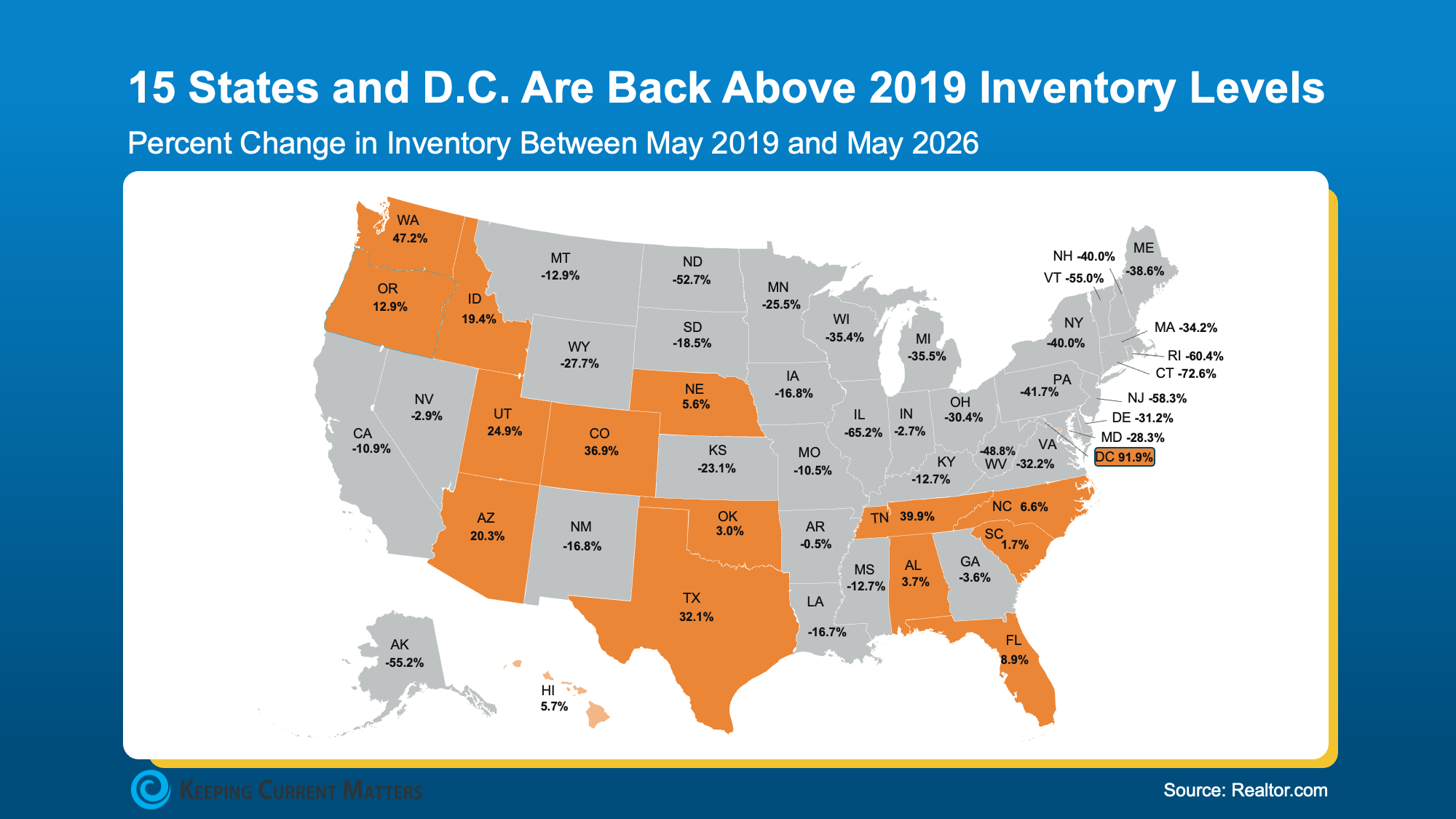
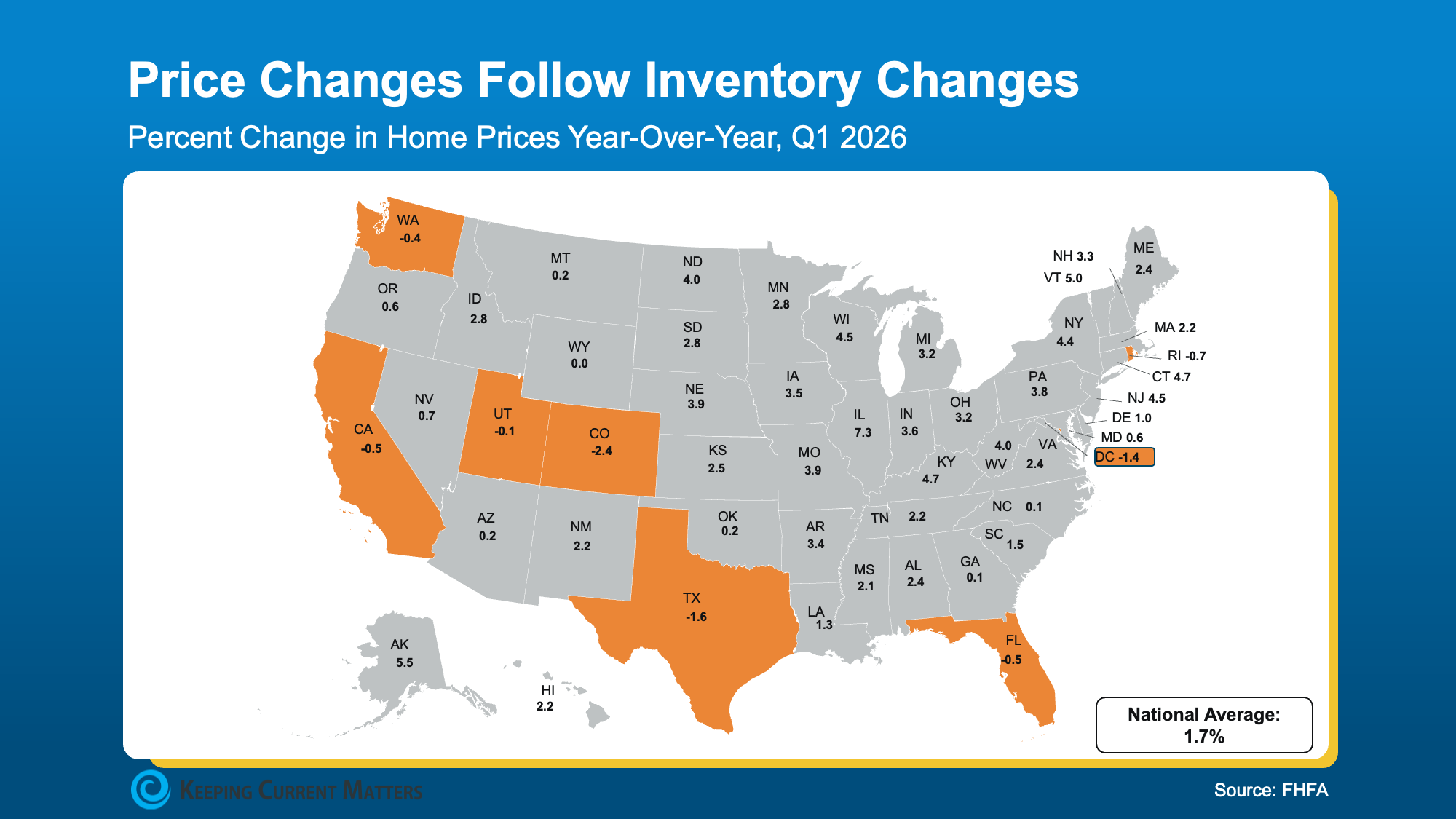
Several states now have more homes for sale than they did before the pandemic. In those markets, buyers have gained leverage, competition has eased, and price growth has slowed or even turned slightly negative.
Meanwhile, markets where inventory is still below pre-2020 levels continue to see modest home price appreciation.
The difference isn't random—it's a direct result of supply and demand.
What Buyers Should Know
If you're buying in the Greenville area, you're in a much different market than someone shopping in places where inventory has surged.
While buyers have more choices today than they did a few years ago, desirable homes that are priced correctly can still receive multiple offers. That's why having a strategy matters.
The good news is buyers generally have a little more negotiating power than they did during the height of the seller's market. Depending on the property, you may be able to negotiate repairs, closing costs, or other favorable terms.
What Sellers Should Know
If you're thinking about selling, pricing your home correctly has never been more important.
Today's buyers are watching the market closely and comparing every available listing. Homes that are priced realistically and marketed well continue to perform. Homes that are overpriced often sit on the market longer, require price reductions, and ultimately sell for less than they might have if they had been priced correctly from the beginning.
Every neighborhood is different, which is why relying solely on national headlines can be misleading. Local market knowledge makes all the difference.
The Bottom Line
National housing trends make for interesting headlines, but they don't always reflect what's happening here in the Upstate.
Whether you're buying, selling, or simply keeping an eye on the market, understanding what's happening in your local area is what matters most. The Greenville real estate market continues to evolve, and having accurate, local information can help you make confident decisions.
If you'd like to know what's happening in your neighborhood or what your home may be worth in today's market, we'd be happy to help.